
Hydrochlorothiazide overactive bladder
2026-03-17Are you tired of feeling constant urgency to urinate?
Take back control of your bladder with Hydrochlorothiazide!
If you suffer from overactive bladder, you understand how disruptive and distressing it can be. The frequent need to use the restroom can interfere with your daily activities, work, and even your social life. But don't worry, there is a solution.
Hydrochlorothiazide is a proven medication that helps relieve the symptoms associated with overactive bladder. It works by increasing urine production and reducing fluid retention, effectively reducing the urge to urinate frequently.
Benefits of Hydrochlorothiazide for Overactive Bladder:
- Reduces bladder spasms and urgency
- Decreases frequency of bathroom visits
- Improves quality of life by restoring control
- Enhances confidence and reduces anxiety
With Hydrochlorothiazide, you can regain control over your bladder and enjoy a more active and confident lifestyle. Imagine being able to engage in activities without constantly worrying about the next bathroom break!
Don't let overactive bladder hold you back. Try Hydrochlorothiazide today and rediscover the freedom you deserve!
Overview of overactive bladder
Overactive bladder (OAB) is a common condition that affects millions of people worldwide. It is characterized by a sudden and uncontrollable urge to urinate, often accompanied by frequent urination and nocturia (waking up at night to urinate). OAB can have a significant impact on a person's quality of life, causing embarrassment, discomfort, and disruption of daily activities.
OAB occurs when the detrusor muscle, which is responsible for contracting the bladder, becomes overactive and contracts involuntarily. This can be caused by various factors, such as age, hormonal changes, urinary tract infections, bladder stones, and neurological disorders.
The symptoms of OAB can vary from mild to severe and may include:
- Increased frequency of urination
- Urgency to urinate
- Urge incontinence (involuntary leakage of urine)
- Nocturia (waking up at night to urinate)
These symptoms can significantly impact a person's daily routine, leading to social isolation, anxiety, and decreased productivity.
There are various treatment options available for OAB, including lifestyle modifications, bladder retraining techniques, and medications. One such medication is Hydrochlorothiazide, a diuretic that helps reduce excess fluid in the body and can be effective in managing OAB symptoms.
It is important to consult a healthcare professional for proper diagnosis and treatment of OAB, as they can provide personalized recommendations based on an individual's specific needs and medical history.
Overall, OAB is a common condition that can have a significant impact on a person's quality of life. However, with proper diagnosis and treatment, the symptoms can be effectively managed, allowing individuals to regain control and improve their overall well-being.
Treatment options for overactive bladder
Overactive bladder is a condition that can significantly impact a person's quality of life. However, there are various treatment options available to help manage the symptoms and improve daily functioning. It is important to consult with a healthcare professional to determine the most appropriate treatment plan for your specific needs.
Lifestyle changes
One of the first lines of treatment for overactive bladder is often making certain lifestyle modifications. These can include:
- Regularly performing pelvic floor exercises, also known as Kegel exercises, can help strengthen the muscles that control bladder function.
- Limiting fluid intake, especially in the evening, can help reduce the frequency of urinary urgency and the need to urinate frequently.
- Avoiding caffeine, alcohol, and carbonated drinks can also help minimize bladder irritation and reduce the symptoms of overactive bladder.
Bladder training
Bladder training is another effective treatment option for overactive bladder. This technique involves gradually increasing the time intervals between urination to train the bladder to hold larger amounts of urine. It can be useful in reducing urinary urgency and increasing bladder capacity.
Medications
There are medications available that can help calm an overactive bladder and reduce symptoms. Hydrochlorothiazide is one such medication that is commonly prescribed for overactive bladder. It works by increasing urine output and reducing the amount of fluid in the body, thus reducing the frequency of bladder contractions and urinary urgency.
Invasive procedures
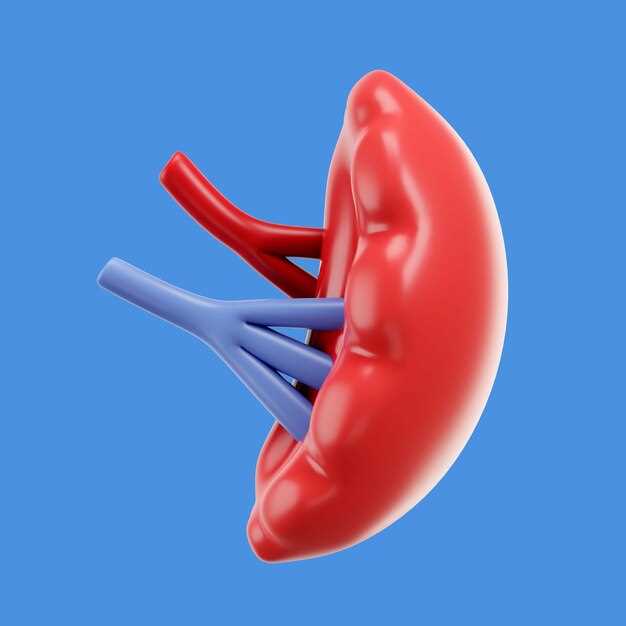
In some cases, when lifestyle changes and medications are not enough to manage overactive bladder symptoms, invasive procedures may be considered. These can include:
- Botox injections: Botulinum toxin injections can be administered directly into the bladder muscle to relax the overactive muscles and decrease bladder contractions.
- Neuromodulation: This procedure involves implanting a device that sends electrical impulses to the nerves that control bladder function, helping to regulate urinary urgency and frequency.
- Surgery: In severe cases, surgery may be recommended to increase bladder capacity or improve bladder function.
It is important to remember that each individual's treatment plan may vary depending on the severity of their symptoms and other personal factors. Consulting with a healthcare professional is essential in determining the most suitable treatment options for overactive bladder.
Treatment options for overactive bladder
When it comes to treating overactive bladder, there are several options available. The choice of treatment will depend on the severity of the symptoms and the individual's preferences. Some common treatment options for overactive bladder include:
Lifestyle modifications
In some cases, lifestyle changes can help manage the symptoms of overactive bladder. This may include reducing fluid intake, avoiding bladder irritants such as caffeine and alcohol, and maintaining a healthy weight.
Behavioral therapies
Behavioral therapies, such as bladder training and pelvic floor exercises, can be effective in improving bladder control. Bladder training involves gradually increasing the time between urinations, helping to retrain the bladder and reduce urgency. Pelvic floor exercises can strengthen the muscles that control urine flow.
Medications
There are several medications available to help manage overactive bladder symptoms. One such medication is Hydrochlorothiazide. It is a diuretic that helps to reduce fluid buildup in the body, thereby decreasing the frequency of urination. It is important to consult with a healthcare professional before starting any medication.
Invasive therapies
In some cases, more invasive therapies may be necessary to treat overactive bladder. These can include procedures such as nerve stimulation and Botox injections. Nerve stimulation involves implanting a device that sends electrical impulses to the nerves controlling the bladder, helping to regulate the urge to urinate. Botox injections can be used to relax the muscles of the bladder, reducing the frequency of contractions.
Surgical interventions

In rare cases, surgery may be recommended to treat overactive bladder. This may involve procedures to increase bladder capacity or repair any structural abnormalities that may be contributing to the symptoms.
It is important to consult with a healthcare professional to determine the best treatment option for overactive bladder. They will take into account the individual's specific symptoms and medical history to develop a personalized treatment plan.
| Treatment Option | Benefits | Considerations |
|---|---|---|
| Lifestyle modifications | Non-invasive, can be implemented immediately | May not completely eliminate symptoms |
| Behavioral therapies | Can improve bladder control and reduce urgency | May require ongoing commitment and practice |
| Medications | Can help manage symptoms effectively | Potential side effects, need for regular usage |
| Invasive therapies | Potentially long-lasting improvements | May require surgical intervention or ongoing maintenance |
| Surgical interventions | Potentially permanent resolution of symptoms | Risk of complications, longer recovery time |
Benefits of using Hydrochlorothiazide:
Hydrochlorothiazide is a medication that offers several benefits for those suffering from overactive bladder:
- Reduces frequency of urination: Hydrochlorothiazide helps to decrease the number of times a person with overactive bladder needs to urinate, thus reducing the inconvenience and disruptions caused by frequent bathroom visits.
- Relieves urgency: One of the main symptoms of overactive bladder is a sudden and intense urge to urinate. Hydrochlorothiazide can help to calm this urgency, allowing individuals to have more control over their bladder and reduce accidents.
- Decreases incontinence episodes: Incontinence, or involuntary leakage of urine, is a common problem for those with overactive bladder. Hydrochlorothiazide can reduce the frequency and severity of these episodes, providing relief and improving quality of life.
- Improves sleep quality: Constantly waking up throughout the night to use the bathroom can significantly disrupt sleep patterns. By reducing the need for nighttime urination, Hydrochlorothiazide can help individuals with overactive bladder to achieve better sleep quality and feel more rested.
- Eases anxiety and stress: Dealing with the unpredictable nature of overactive bladder can be incredibly stressful and anxiety-inducing. By managing the symptoms of overactive bladder, Hydrochlorothiazide can help individuals feel more in control and reduce the emotional burden associated with the condition.
It is important to consult with a healthcare professional to determine if Hydrochlorothiazide is the right treatment option for you, as individual results may vary.