
Is spironolactone a blood thinner
2026-03-17Are you curious about the properties of spironolactone? Many people wonder if this medication is a blood thinner. Let's explore the details and find out more.
Overview of Spironolactone
Spironolactone is a medication that is commonly used to treat conditions such as high blood pressure, heart failure, and edema (fluid retention).
Spironolactone is a type of drug known as a potassium-sparing diuretic, which means that it helps the body get rid of excess salt and water while retaining potassium.
This medication is often prescribed by doctors to help regulate blood pressure and reduce swelling and fluid buildup in the body.
Spironolactone works by blocking the action of aldosterone, a hormone that can cause the body to retain salt and water, leading to high blood pressure and edema.
What is Spironolactone?
Spironolactone is a medication that belongs to a class of drugs known as aldosterone receptor antagonists. It is commonly used to treat conditions such as high blood pressure, heart failure, and edema (fluid retention).
Spironolactone works by blocking the action of aldosterone, a hormone in the body that regulates sodium and water balance. By inhibiting aldosterone, spironolactone helps to reduce the reabsorption of water and sodium in the kidneys, leading to increased excretion of fluid and electrolytes.
In addition to its diuretic (water pill) effects, spironolactone also has anti-androgenic properties, making it a popular treatment for conditions such as acne, hirsutism (excessive hair growth), and polycystic ovary syndrome (PCOS) in women.
Overall, spironolactone is a versatile medication with multiple uses and mechanisms of action, making it an important drug in the management of various medical conditions.
Mechanism of Action
Spironolactone is a medication that works primarily by blocking the effects of aldosterone, a hormone that regulates salt and water balance in the body. By inhibiting aldosterone, spironolactone helps to excrete excess sodium and water from the body, leading to a decrease in blood volume and a reduction in blood pressure. This mechanism of action makes it effective in treating conditions such as high blood pressure, heart failure, and edema.
Spironolactone as a Blood Thinner
Spironolactone is not a traditional blood thinner like anticoagulants such as warfarin or heparin. However, it can have some effects on blood clotting due to its mechanism of action as a potassium-sparing diuretic.
Effect on Platelets
Spironolactone may affect platelet function, which are small blood cells that help with clotting. Some studies suggest that spironolactone can reduce platelet aggregation and adhesion, which are important steps in the clotting process.
Risk of Bleeding
While spironolactone is not a direct blood thinner, the potential effects on platelets can increase the risk of bleeding in some individuals. It is important to monitor for signs of bleeding, especially if taking spironolactone along with other medications that affect blood clotting.
Effect on Blood Clotting
Spironolactone is a medication primarily used for treating high blood pressure, heart failure, and edema caused by conditions such as liver disease. While spironolactone is not commonly prescribed as a blood thinner, some studies have suggested that it may have antithrombotic effects, which could help prevent blood clot formation.
How Does Spironolactone Affect Blood Clotting?
Spironolactone works by blocking the action of aldosterone, a hormone that can cause the body to retain salt and water. By affecting the balance of electrolytes in the blood, spironolactone may indirectly influence blood clotting processes.
| Benefit | Concern |
|---|---|
| Some evidence suggests spironolactone may reduce the risk of thrombosis. | However, more research is needed to fully understand its antithrombotic effects. |
It's important to note that spironolactone is not approved for use as a blood thinner, and its effects on blood clotting are still being studied. If you have concerns about blood clotting or are at risk for thrombosis, it's essential to consult with your healthcare provider to determine the most appropriate treatment options.
Risks and Side Effects
While spironolactone can be effective in preventing thrombosis, it is important to be aware of the potential risks and side effects associated with this medication.
- Hyperkalemia: One of the main concerns with spironolactone is the risk of hyperkalemia, or high levels of potassium in the blood. This can lead to serious complications such as irregular heart rhythms and muscle weakness.
- Dehydration: Spironolactone can cause increased urination, which may lead to dehydration if fluid intake is not sufficient. Dehydration can cause dizziness, weakness, and other symptoms.
- Electrolyte Imbalance: Spironolactone can disrupt the balance of electrolytes in the body, leading to symptoms such as muscle cramps, confusion, and irregular heartbeat.
- Gynecomastia: In males, spironolactone may cause breast enlargement due to its anti-androgenic effects. This can be a distressing side effect for some patients.
- Menstrual Irregularities: Spironolactone can also affect menstrual cycles in women, potentially causing irregularities or changes in bleeding patterns.
Risks and Side Effects
When considering spironolactone as a blood thinner, it's important to be aware of the potential risks and side effects associated with this medication. While spironolactone is primarily used to treat conditions like high blood pressure and heart failure, it can also have effects on blood clotting.
- One of the main risks of using spironolactone as a blood thinner is the potential for excessive bleeding. Since spironolactone can interfere with the body's ability to clot blood, it may increase the risk of bleeding episodes.
- Another potential side effect of spironolactone is electrolyte imbalances, particularly high levels of potassium in the blood. This can be dangerous and may lead to serious complications like heart arrhythmias.
- Spironolactone can also cause hormonal imbalances, especially in women, leading to side effects like irregular menstrual periods and breast tenderness.
- Some individuals may experience dizziness, drowsiness, or headaches while taking spironolactone, which can impact daily activities and quality of life.
It's important to discuss these risks and potential side effects with your healthcare provider before starting spironolactone as a blood thinner. They can provide guidance on how to minimize these risks and monitor for any adverse effects while on the medication.
Potential Risks of Thinning Blood
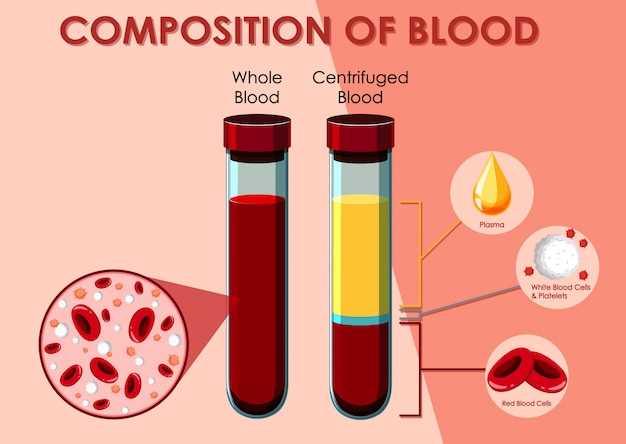
Thinning the blood with medications like spironolactone can have potential risks for patients. One of the main concerns is an increased risk of bleeding. Since blood clotting is inhibited, even minor injuries can lead to excessive bleeding that is difficult to stop. This can be especially dangerous in situations where immediate medical attention is not available.
Another risk of thinning blood is the development of hemorrhages, which are abnormal and potentially life-threatening bleeding events. These can occur internally or externally and may require emergency medical treatment. Patients taking spironolactone should be aware of the signs of bleeding and seek medical help if they experience symptoms such as unexplained bruising, bleeding gums, or blood in the urine or stool.
Additionally, thinning the blood can increase the risk of developing anemia, a condition characterized by a low red blood cell count. Anemia can lead to symptoms such as fatigue, weakness, and shortness of breath. Patients on spironolactone should have regular blood tests to monitor their red blood cell levels and adjust the dosage of the medication if necessary.
In conclusion, while spironolactone can be an effective treatment for certain conditions, it is important for patients to be aware of the potential risks of thinning blood and to work closely with their healthcare provider to monitor and manage these risks.