
Mirtazapine does not help me sleep
2026-03-17Feeling like Mirtazapine does not help me sleep?
It's time to discover a natural solution...
Introducing SleepEase - a revolutionary blend of herbs and extracts designed to promote restful sleep without the side effects.
With SleepEase, you can finally experience the deep, rejuvenating sleep you deserve. Say goodbye to tossing and turning all night!
Wake up feeling refreshed and energized with SleepEase.
Understanding Mirtazapine
| Mirtazapine Overview | Mirtazapine is a medication primarily used to treat depression and has also been prescribed off-label for insomnia. It belongs to a class of drugs known as tetracyclic antidepressants. |
| How Mirtazapine Works | Mirtazapine works by increasing the levels of certain neurotransmitters in the brain, such as serotonin and norepinephrine. This helps to improve mood and alleviate symptoms of depression. |
| Important Considerations | It is essential to follow your healthcare provider's instructions when taking Mirtazapine. Do not suddenly stop taking the medication without consulting your doctor, as it may lead to withdrawal symptoms. |
| Usage for Insomnia | While Mirtazapine can have sedative effects and help some individuals sleep, it may not be effective for everyone. In some cases, alternative sleep solutions may be necessary. |
Why Mirtazapine Doesn't Help Sleep

Mirtazapine is an antidepressant medication that is commonly prescribed off-label for insomnia. While some people find it helpful for improving sleep, others may not experience the same benefits. There are several reasons why Mirtazapine may not help you sleep:
- 1. Dosage: The dosage of Mirtazapine may not be optimized for improving sleep. Your doctor may need to adjust the dosage to find the right balance for sleep benefits.
- 2. Side effects: Some of the side effects of Mirtazapine, such as drowsiness, may interfere with its effectiveness in promoting restful sleep. It's important to discuss any side effects with your doctor.
- 3. Individual response: Everyone responds to medications differently. Mirtazapine may simply not be the right fit for your body chemistry when it comes to improving sleep.
If Mirtazapine doesn't help you sleep, it's important to talk to your healthcare provider about alternative sleep solutions that may be more effective for you.
Why Mirtazapine Doesn't Help Sleep
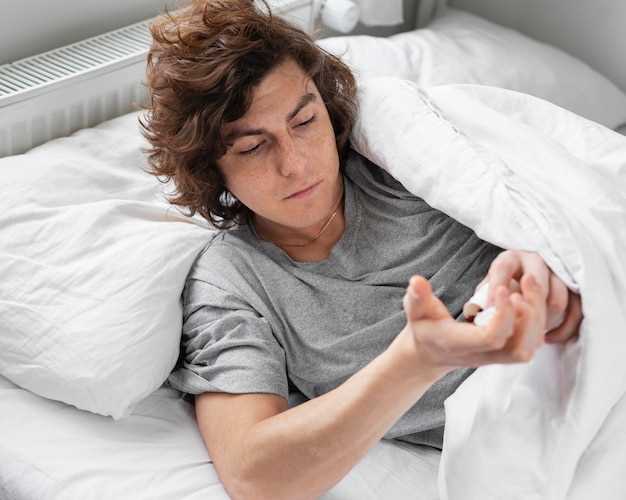
While Mirtazapine is commonly prescribed for its sedative effects that can help with sleep, it may not work for everyone. Several factors can contribute to why Mirtazapine doesn't help improve sleep quality:
| 1. Tolerance: | If a person has been using Mirtazapine for a long time, they may develop a tolerance to its sedative effects, leading to reduced efficacy in promoting sleep. |
| 2. Dosage: | The dosage of Mirtazapine plays a crucial role in its effectiveness for sleep. Individuals may require adjustments in dosage to achieve optimal results. |
| 3. Underlying Conditions: | People with underlying medical conditions such as anxiety or depression may find that Mirtazapine's sedative effects are overshadowed by their primary condition, impacting its ability to improve sleep. |
| 4. Individual Variability: | Each person's response to Mirtazapine can vary due to individual differences in metabolism, body chemistry, and other factors, influencing its effectiveness in promoting sleep. |
Exploring Alternative Sleep Solutions
If Mirtazapine is not helping you sleep, don't worry, there are other options you can explore to improve your sleep quality. Below are some alternative sleep solutions you might want to consider:
- Establish a bedtime routine: Creating a consistent bedtime routine can signal your body that it's time to wind down and prepare for sleep.
- Limit screen time: The blue light emitted from screens can disrupt your sleep cycle. Try to avoid screens at least an hour before bedtime.
- Practice relaxation techniques: Deep breathing exercises, meditation, or gentle yoga can help relax your mind and body before bedtime.
- Avoid caffeine and heavy meals before bedtime: Caffeine and heavy meals can interfere with your ability to fall asleep. Opt for herbal tea or a light snack instead.
- Create a comfortable sleeping environment: Make sure your bedroom is dark, quiet, and at a comfortable temperature to promote restful sleep.
Remember, everyone is different, so it may take some trial and error to find the sleep solution that works best for you. Consult with your healthcare provider if you continue to experience difficulties with sleep.