
Mirtazapine liver damage
2026-03-17Are you concerned about the potential liver damage risks associated with mirtazapine?
Learn more about how this medication could impact your liver health and what steps you can take to minimize the risk.
Effects on Liver
Mirtazapine, a medication commonly used to treat depression, can have various effects on the liver. While Mirtazapine is generally considered safe, there have been reported cases of liver damage in some individuals taking this medication.
Some of the potential effects of Mirtazapine on the liver include:
- Increased liver enzymes: Mirtazapine may lead to elevated liver enzymes, which can indicate liver inflammation or damage.
- Hepatitis: In rare cases, Mirtazapine has been linked to hepatitis, an inflammation of the liver.
- Liver toxicity: Prolonged use of Mirtazapine or high doses may result in liver toxicity, which can be harmful to liver function.
It is essential to monitor liver function regularly while taking Mirtazapine and report any unusual symptoms to your healthcare provider. If you experience signs of liver damage, such as jaundice, abdominal pain, or dark urine, seek medical attention immediately.
Effects on Liver
When taking Mirtazapine, it's essential to be aware of its potential effects on the liver. Mirtazapine has been associated with liver damage in rare cases, and it's crucial to monitor your liver function while on this medication.
How Mirtazapine Affects the Liver
- Mirtazapine can cause elevated liver enzymes, indicating liver inflammation or damage.
- In some cases, Mirtazapine has been linked to hepatitis, a condition characterized by liver inflammation.
- Prolonged use of Mirtazapine may increase the risk of liver damage, especially in individuals with pre-existing liver conditions.
It's important to discuss any concerns about liver health with your healthcare provider before starting Mirtazapine and to promptly report any symptoms of liver damage, such as jaundice (yellowing of the skin or eyes), abdominal pain, or dark urine.
Signs of Liver Damage
Recognizing the signs of liver damage is crucial for timely intervention and treatment. Some common signs of liver damage include:
- Jaundice: Yellowing of the skin and eyes
- Abdominal Pain: Discomfort or pain in the upper right abdomen
- Swelling: Swelling of the abdomen or legs
- Nausea and Vomiting: Feeling sick to your stomach and vomiting
- Fatigue: Extreme tiredness and weakness
If you experience any of these symptoms, it is important to consult a healthcare provider for proper evaluation and treatment. Early detection of liver damage can lead to better outcomes and improved prognosis.
Symptoms to Watch For
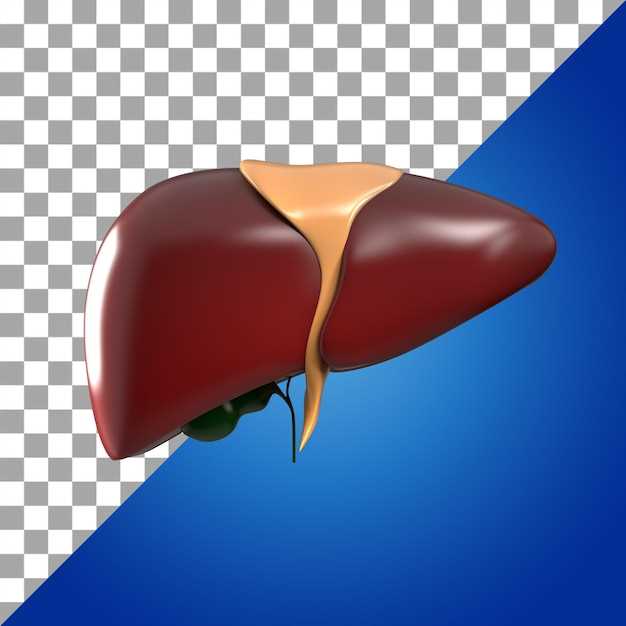
When taking Mirtazapine, it's crucial to be aware of any potential symptoms of liver damage. Some common signs to watch for include:
1. Jaundice: Yellowing of the skin or eyes can indicate liver problems.
2. Abdominal Pain: Persistent pain in the abdominal area could be a sign of liver issues.
3. Nausea and Vomiting: Unexplained nausea and vomiting may be related to liver damage.
4. Fatigue: Feeling unusually tired or weak can be a symptom of liver problems.
5. Appetite Changes: Sudden changes in appetite or weight loss could indicate liver issues.
If you experience any of these symptoms while taking Mirtazapine, it's important to consult with your healthcare provider immediately for proper evaluation and treatment.
Prevention Measures
Protecting your liver is crucial for overall health and well-being. Here are some essential prevention measures to keep your liver healthy:
1. Maintain a Healthy Weight
Being overweight or obese can increase the risk of liver damage. Follow a balanced diet, exercise regularly, and maintain a healthy weight to protect your liver.
2. Limit Alcohol Intake
Excessive alcohol consumption can lead to liver damage. Limit your alcohol intake and follow the recommended guidelines for moderate drinking to keep your liver healthy.
By following these prevention measures, you can significantly reduce the risk of liver damage and maintain optimal liver function.
How to Protect Your Liver
Protecting your liver is crucial for your overall health and well-being. Here are some tips to help you keep your liver healthy:
1. Maintain a Healthy Diet
- Eat a balanced diet rich in fruits, vegetables, whole grains, and lean protein.
- Avoid processed foods, sugary drinks, and high-fat foods.
- Limit your intake of alcohol and caffeine.
2. Stay Hydrated
- Drink plenty of water throughout the day to help flush out toxins from your body.
- Avoid excessive consumption of sugary beverages and alcohol.
By following these tips and making healthy lifestyle choices, you can effectively protect your liver and reduce the risk of liver damage.
Treatment Options
When it comes to treating liver damage caused by Mirtazapine, several options are available depending on the severity of the damage. The treatment plan may include:
1. Discontinuation of Mirtazapine:
The first step in treating liver damage is to discontinue the use of Mirtazapine. This allows the liver to heal and prevents further damage from occurring.
2. Medications and Therapies:
In some cases, medications and therapies may be prescribed to help support liver function and promote healing. These may include antioxidants, hepatoprotective agents, or liver detoxification therapies.
It is essential to consult with a healthcare provider for a personalized treatment plan tailored to your specific condition and needs. Prompt action and appropriate treatment can help improve liver health and prevent complications associated with Mirtazapine-induced liver damage.
Managing Liver Damage
Managing liver damage caused by Mirtazapine involves a multifaceted approach that focuses on protecting the liver, mitigating symptoms, and promoting liver health. Here are some key steps to effectively manage liver damage:
1. Regular Monitoring:
- Regularly monitor liver function tests to track the progression of liver damage and adjust treatment accordingly.
2. Medication Review:
- Review all medications with a healthcare provider to identify and eliminate any potential hepatotoxic agents that could exacerbate liver damage.
3. Lifestyle Changes:
- Adopt a healthy lifestyle that includes a balanced diet, regular exercise, limited alcohol consumption, and avoidance of hepatotoxic substances.
4. Consultation with Specialists:
- Consult with hepatologists or gastroenterologists for specialized care and advice on managing liver damage.
By implementing these strategies, individuals can effectively manage liver damage caused by Mirtazapine and improve their overall liver health.