
Omeprazole stress fracture
2026-03-17Omeprazole is a powerful medication that can help alleviate the pain and discomfort associated with stress fractures. If you're struggling with the effects of a stress fracture, Omeprazole may be the solution you've been looking for.
Don't let stress fractures slow you down. Try Omeprazole today and get back to full strength.
Description
Omeprazole is a medication that belongs to the class of proton pump inhibitors (PPIs). It works by reducing the amount of acid produced in the stomach, which helps in the treatment of acid-related conditions such as gastric ulcers, gastroesophageal reflux disease (GERD), and Zollinger-Ellison syndrome.
It is commonly prescribed for the management of heartburn and stomach ulcers. Omeprazole is available in various forms including capsules, tablets, and oral suspension. It is usually taken orally, once a day before a meal, or as directed by a healthcare provider.
What is Omeprazole
Omeprazole is a medication that belongs to a class of drugs known as proton pump inhibitors (PPIs). It works by decreasing the amount of acid produced in the stomach, which helps in the treatment of various conditions such as acid reflux, ulcers, and gastrointestinal disorders.
Omeprazole is commonly prescribed to reduce the production of stomach acid, which can help alleviate symptoms associated with conditions like heartburn and indigestion. It is also used in combination with antibiotics to treat certain types of infections caused by Helicobacter pylori bacteria.
Overall, Omeprazole is a widely used medication that plays a crucial role in managing gastrointestinal issues and promoting digestive health.
Causes
Stress fractures can be caused by a variety of factors, including:
- Overuse: Repeated stress on a bone without proper rest can lead to the development of a stress fracture.
- Increased physical activity: Suddenly increasing the intensity or duration of physical activity can put additional stress on the bones, increasing the risk of stress fractures.
- Poor biomechanics: Issues with the way a person moves or the alignment of their bones can contribute to the development of stress fractures.
- Inadequate bone density: Weakened bones, such as those with osteoporosis, are more prone to developing stress fractures.
- Nutritional deficiencies: Inadequate intake of calcium, vitamin D, or other essential nutrients can weaken bones and make them more susceptible to fractures.
Understanding the underlying causes of stress fractures is crucial for prevention and effective management.
Factors leading to stress fractures
Stress fractures can be caused by a variety of factors, including:
- Overtraining or sudden increase in physical activity
- Poor footwear or improper equipment
- Biomechanical problems such as abnormal gait or foot structure
- Nutritional deficiencies, especially in calcium and vitamin D
- Low bone density or osteoporosis
- Inadequate recovery time between workouts
- Inadequate warm-up or cool down routines
It's important to address these factors to prevent stress fractures and maintain healthy bones and muscles.
Symptoms
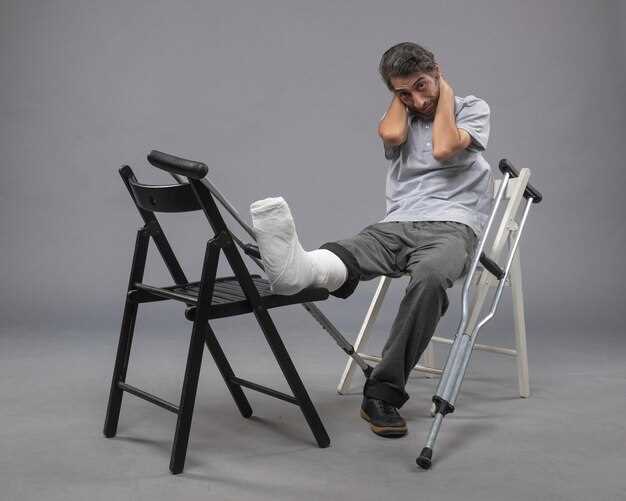
Recognizing stress fracture symptoms is crucial for early detection and proper treatment. Some common symptoms of a stress fracture caused by Omeprazole include:
- Pain: Persistent pain in the affected area that worsens with weight-bearing or activity.
- Swelling: Swelling around the injury site may be present.
- Tenderness: The affected area may feel tender to the touch.
- Redness or bruising: Visible redness or bruising in the affected area.
- Limping: Difficulty walking or a noticeable limp may be a sign of a stress fracture.
Early detection
It is important to pay attention to these symptoms and seek medical attention if you suspect a stress fracture. Early detection can prevent further damage and allow for timely treatment.
Recognizing stress fracture symptoms
Recognizing the symptoms of stress fractures early is crucial for prompt diagnosis and treatment. Some common signs and symptoms of stress fractures include:
| Pain: Pain that intensifies with weight-bearing activities. |
| Swelling: Swelling around the affected area. |
| Tenderness: Tenderness to touch at the site of the fracture. |
| Localized pain: Pain that is specific to a particular spot and worsens during physical activity. |
| Bruising: Bruising may be visible in some cases. |
| Limping: Difficulty walking or putting weight on the affected limb. |
If you experience any of these symptoms, especially after starting or changing Omeprazole medication, it is important to seek medical attention for an accurate diagnosis and appropriate treatment.
Treatment
Once a stress fracture has been diagnosed, treatment is necessary to allow the bone to heal properly. The first step is typically rest, which may involve avoiding weight-bearing activities or using crutches to reduce pressure on the affected bone. In some cases, a walking boot or cast may be necessary to immobilize the bone and promote healing.
In addition to rest, other treatment options may include physical therapy to improve strength and flexibility in the surrounding muscles and reduce the risk of future fractures. Nonsteroidal anti-inflammatory drugs (NSAIDs) may also be prescribed to help manage pain and inflammation.
It's important to follow your healthcare provider's recommendations for treatment and rehabilitation to ensure the best possible outcome and prevent the recurrence of stress fractures. In severe cases or if conservative treatments are ineffective, surgery may be necessary to stabilize the bone and promote healing.
Managing Omeprazole-induced stress fractures
Managing stress fractures caused by Omeprazole involves a multidisciplinary approach aimed at relieving pain, promoting healing, and preventing further injury. The following strategies can help in the management of Omeprazole-induced stress fractures:
Evaluation and Diagnosis:
Consult a healthcare professional for an accurate diagnosis and evaluation of the stress fracture. Imaging tests like X-rays or MRI may be recommended to assess the extent of the injury.
Treatment Options:
- Rest: Allow the affected area to rest and avoid activities that exacerbate the pain or discomfort.
- Immobilization: In some cases, the use of a brace, cast, or crutches may be necessary to restrict movement and support the healing process.
- Medication: Pain relievers and anti-inflammatory drugs may be prescribed to manage pain and reduce inflammation.
- Physical Therapy: Engaging in targeted exercises and rehabilitation programs can help strengthen the affected area and improve mobility.
It is crucial to follow the treatment plan provided by healthcare professionals and adhere to their recommendations for a faster and smoother recovery.