
Pantoprazole 40 mg
2026-03-17Experience fast and effective relief with Pantoprazole 40 mg. Say goodbye to heartburn and indigestion with this powerful medication. Its innovative formula works to reduce stomach acid production, providing you with lasting comfort and peace of mind.
Key Benefits:
- Quick relief from heartburn
- Effective in treating indigestion
- Long-lasting results
Don't let heartburn and indigestion disrupt your day. Try Pantoprazole 40 mg today and experience the difference for yourself!
Benefits of Pantoprazole
Pantoprazole is a proton pump inhibitor that works by reducing the amount of acid produced in the stomach. It is used to treat conditions such as acid reflux, gastroesophageal reflux disease (GERD), and stomach ulcers.
Some of the key benefits of Pantoprazole include:
- Relief from heartburn and acid indigestion
- Healing and preventing damage to the esophagus caused by acid reflux
- Reducing the frequency of symptoms such as regurgitation and difficulty swallowing
- Improving overall quality of life for individuals suffering from acid-related conditions
Relief from Acid Reflux
Are you tired of dealing with the discomfort of acid reflux? Pantoprazole 40 mg can provide you with relief from this common condition. By reducing the production of stomach acid, Pantoprazole helps to alleviate symptoms such as heartburn, regurgitation, and chest pain. Say goodbye to the burning sensation in your chest and throat and enjoy a more comfortable and enjoyable eating experience.
Relief from Acid Reflux
Pantoprazole 40 mg provides relief from acid reflux by reducing the production of stomach acid. Acid reflux, also known as heartburn, occurs when stomach acid flows back up into the esophagus, causing a burning sensation in the chest or throat. Pantoprazole works by inhibiting the proton pump in the stomach, which is responsible for producing acid. By lowering the acid levels, Pantoprazole helps alleviate the symptoms of acid reflux and provides long-lasting relief.
Uses

Pantoprazole is commonly used for the treatment and prevention of conditions such as GERD (gastroesophageal reflux disease), ulcers in the stomach and small intestine, and conditions that cause excessive stomach acid production.
Gastroesophageal Reflux Disease (GERD)
It is frequently prescribed to manage symptoms of GERD, such as heartburn, acid regurgitation, and difficulty swallowing. Pantoprazole works by decreasing the amount of acid produced in the stomach, providing relief from these symptoms.
Uses
Pantoprazole is commonly used to treat conditions where there is an excess of stomach acid, such as gastroesophageal reflux disease (GERD), Zollinger-Ellison syndrome, and erosive esophagitis. It is also used in combination with antibiotics to treat Helicobacter pylori (H. pylori) infection.
Furthermore, Pantoprazole can help prevent ulcers in the stomach or intestines that are caused by the prolonged use of nonsteroidal anti-inflammatory drugs (NSAIDs) like ibuprofen or aspirin.
GERD Treatment
| Pantoprazole 40mg | Once daily for up to 8 weeks |
| Pantoprazole 20mg | Maintenance dose after initial treatment |
Treatment of GERD
Gastroesophageal reflux disease (GERD) is a chronic condition where stomach acid flows back into the esophagus, causing symptoms like heartburn and acid regurgitation. Pantoprazole is commonly prescribed to treat GERD by reducing the production of stomach acid.
How does Pantoprazole work?
Pantoprazole belongs to a class of medications called proton pump inhibitors (PPIs). It works by blocking the enzyme in the stomach that produces acid, thus decreasing the amount of acid produced. This helps to relieve symptoms of GERD and promote healing of the esophagus.
Regular use of Pantoprazole as prescribed by your healthcare provider can help manage and improve symptoms of GERD, providing relief and improving quality of life.
Prevention of Stomach Ulcers
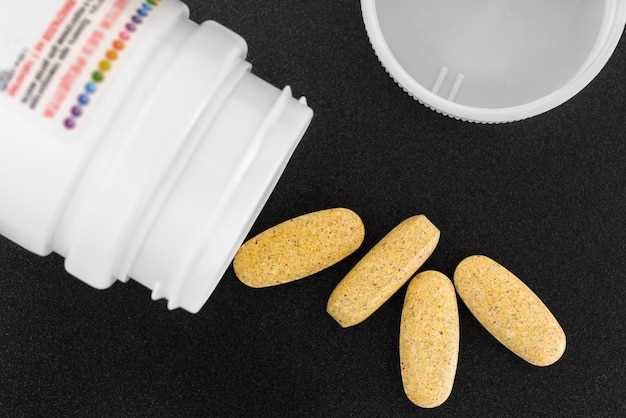
Stomach ulcers are a common condition that can be painful and disruptive to daily life. Pantoprazole, a proton pump inhibitor, can help prevent the formation of stomach ulcers by reducing the production of acid in the stomach.
- Healthy Lifestyle: Maintaining a healthy diet and lifestyle can help prevent stomach ulcers. Avoiding spicy foods, alcohol, and smoking can reduce the risk of developing ulcers.
- Medication Adherence: Taking Pantoprazole as prescribed by your healthcare provider can help prevent stomach ulcers. It is important to follow the recommended dosage and schedule to maximize its protective effects.
- Regular Check-ups: Regular visits to your healthcare provider for monitoring and evaluation can help detect any early signs of ulcer development. Your provider may adjust your treatment plan as needed to prevent ulcers.
- Stress Management: Stress can exacerbate stomach ulcer symptoms. Engaging in stress-reducing activities such as exercise, meditation, or yoga can help prevent ulcers from forming.
- H. pylori Treatment: If you have been diagnosed with an H. pylori infection, it is important to complete the prescribed treatment regimen to prevent stomach ulcers. Pantoprazole may be used in combination with antibiotics to eradicate the bacteria.
By following these preventive measures and incorporating Pantoprazole into your treatment plan, you can effectively reduce the risk of developing stomach ulcers and improve your overall gastrointestinal health.
Side Effects
Pantoprazole may cause some common side effects such as headache, nausea, abdominal pain, and constipation.
More rare but serious side effects may include severe allergic reactions, chest pain, trouble breathing, or severe stomach pain.
If you experience any severe side effects, contact your healthcare provider immediately.